



Blood Work
Testing your blood for high levels of glucose (sugar) and cholesterol can help detect diabetes and high cholesterol, two conditions that raise your risk of PVD.
Peripheral Vascular Disease (PVD) deprives your body's tissues and organs of oxygen-rich blood. At Hillside Primary Care Clinic, with convenient locations in San Antonio, Stone Oak, Southside, Castle Hills, and North Star neighborhoods and New Braunfels, Buda, Kerrville, Schertz, Universal City, Killeen, El Paso, Seguin, and Live Oak, Texas, Dr. Derin Patel and our team of specialists provide expert PVD testing and treatment.
Our PVD specialists perform comprehensive evaluations and diagnoses for PVD, ensuring you receive appropriate care to help prevent complications such as reduced mobility. Call or schedule an appointment online today to get PVD treatment and a specialist consultation in San Antonio and nearby areas, and our other locations.
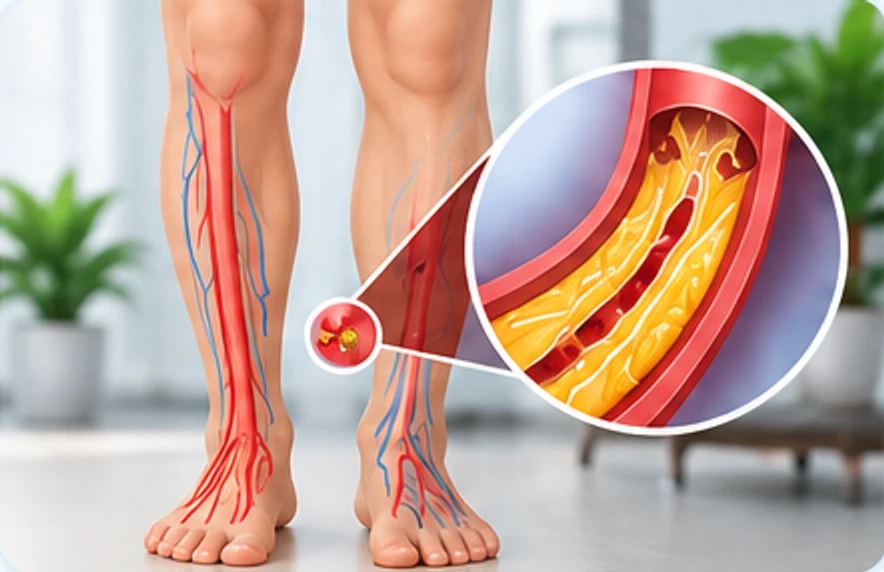
Peripheral vascular disease (PVD) is a chronic disorder that prevents healthy blood circulation. Atherosclerosis, when plaque sticks to the artery walls, is the most common cause of PVD. Over time, atherosclerosis causes the walls to harden, stiffen, and weaken, restricting blood flow. Your organs, limbs, and tissues need oxygen-rich blood to thrive.
Proper evaluation & diagnosis of PVD is essential to prevent complications like slow-healing wounds, limb loss, and stroke. Hillside Primary Care is a state-of-the-art clinic in San Antonio and nearby areas, offering onsite PVD testing services to evaluate your risk for the disease. Our specialist team uses advanced technology to diagnose your condition, ensuring accurate and efficient care.
Peripheral vascular disease often causes no symptoms early on. A comprehensive evaluation is the only way to know if you have the condition. Our team of PVD specialists may recommend an evaluation if you have risk factors for peripheral vascular disease, such as high cholesterol or hypertension (high blood pressure).

Without a full evaluation and proper treatment, peripheral vascular disease can lead to gangrene (dead tissue) and limit your mobility.
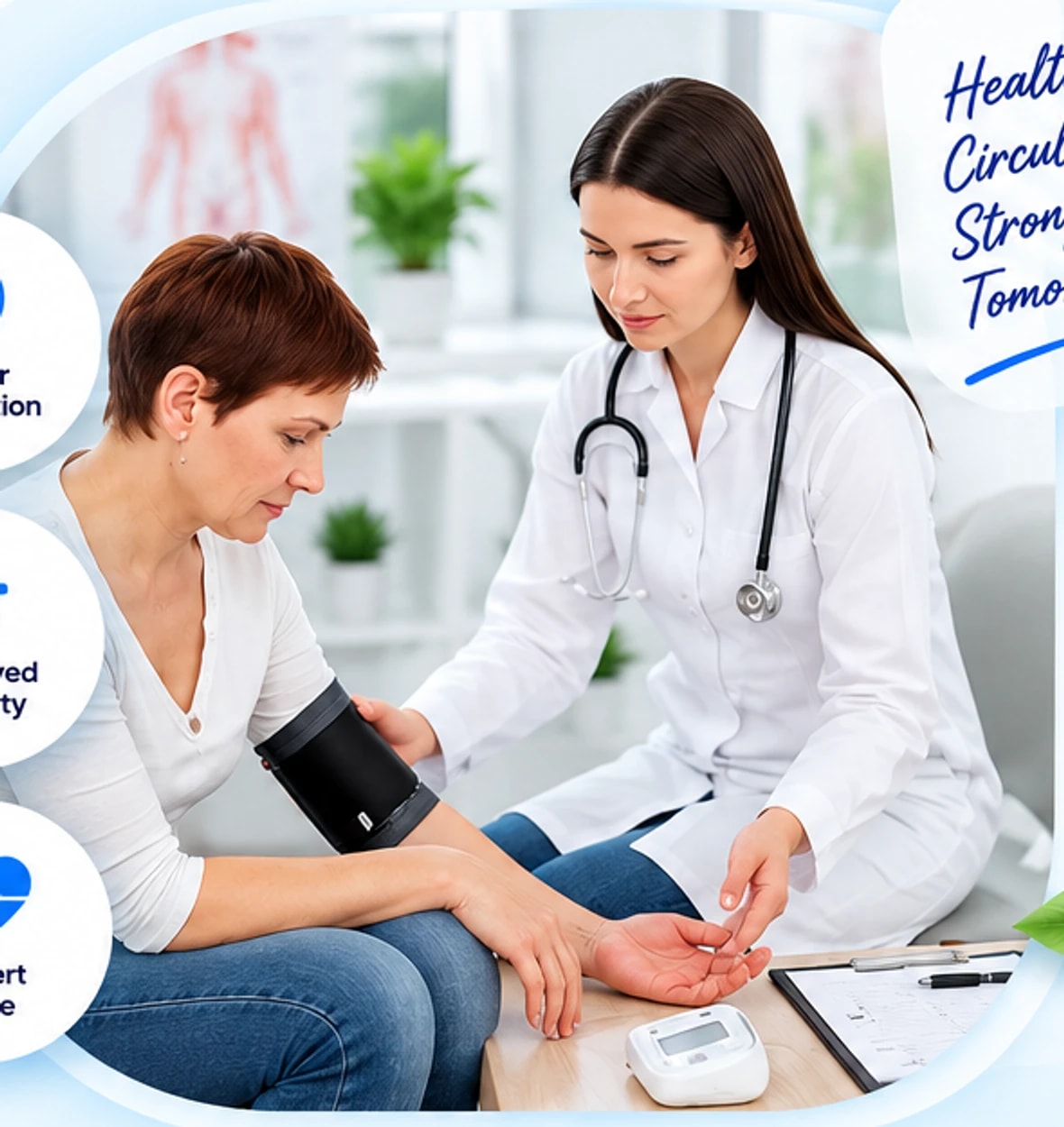
When you arrive for your peripheral vascular disease evaluation, your doctor reviews your medical history and performs a physical exam. Next, they order tests for PVD such as:
Testing your blood for high levels of glucose (sugar) and cholesterol can help detect diabetes and high cholesterol, two conditions that raise your risk of PVD.
ABI tests the blood pressure in different areas of your body: the arm and ankle. The team may combine this test with an exercise screening, measuring your blood pressure before and after walking on a treadmill.
A Doppler ultrasound tracks blood flow to detect blocked arteries. It can also help determine whether your arteries are narrowing.
The team at our primary care clinics works with you to determine the types of tests you need to diagnose and treat PVD in San Antonio, Texas and nearby areas. Call Hillside Primary Care or schedule an appointment online today for PVD diagnosis & treatment.
Available at 18 clinics. See all San Antonio-area clinics or meet our providers.
PVD refers to a blood circulatory problem where blood vessels outside the heart and brain become narrowed or blocked. This reduces blood flow in the legs and other body parts, potentially leading to pain, numbness, and changes in skin color.
PVD often causes no symptoms early on. Signs that may prompt testing include slow-healing wounds in the legs or feet, numbness or heaviness in the limbs, shiny or cold, brittle skin, pain or burning in the toes, thickened toenails, and red or blue discoloration in the limbs.
Your doctor reviews your medical history and performs a physical exam, then may order tests such as blood work, an ankle-brachial index (ABI), or a Doppler ultrasound.
Treatment depends on your evaluation results. Your provider will talk with you about the right options for your condition.
Without a full evaluation and proper treatment, PVD can lead to complications such as slow-healing wounds, gangrene (dead tissue), limb loss, and stroke, and it can limit your mobility.

Take the first step toward better circulation and a healthier tomorrow with our experienced medical team.