


Diabetes Evaluation and Management
Nearly 39% of individuals with diabetes experience complications such as high cholesterol, high blood pressure, or vision impairment. Dr. Derin Patel and the team at Hillside Primary Care specialize in comprehensive diabetes evaluation and management. Serving the communities of San Antonio, Killeen, Buda, Kerrville, Stone Oak, Castle Hills, New Braunfels, Schertz, Live Oak, El Paso, and Seguin, Texas; we provide personalized care to help minimize your risk of diabetes complications and enhance your quality of life. Discover management tips and diabetes treatment strategies tailored to your needs.
Call or schedule an appointment online today to manage your diabetes or get a consultation with our doctors.
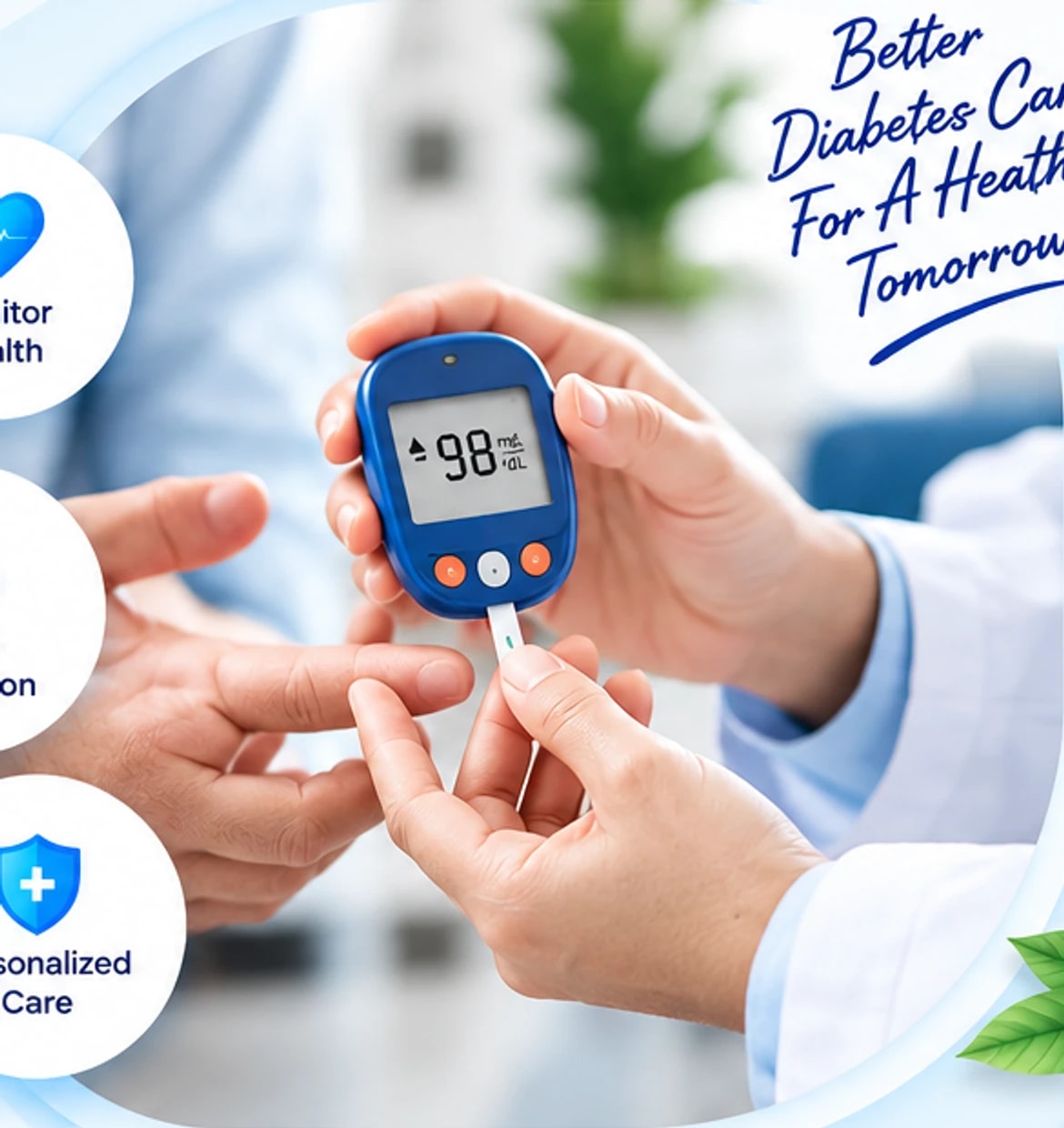
- Monitor
Health - Early
Detection - Personalized
Care
- Monitor
Health - Early
Detection - Personalized
Care
What Is Diabetes?
Diabetes is a chronic disease that damages your blood vessel walls. The condition develops when glucose (sugar) accumulates in the blood. Usually, your pancreas produces a hormone called insulin, which allows cells to use glucose for energy. If your pancreas doesn't make insulin or creates too little, glucose can weaken your blood vessels. A comprehensive diabetes evaluation is essential to create the appropriate treatment plan. Your results also determine the type of diabetes you have:
- Type 1: Type 1 diabetes is an autoimmune disease in which your pancreas does not produce insulin.
- Type 2: Type 2 diabetes is usually the result of lifestyle choices, like poor diet and inactivity.

Diabetes Testing At Hillside Primary Care
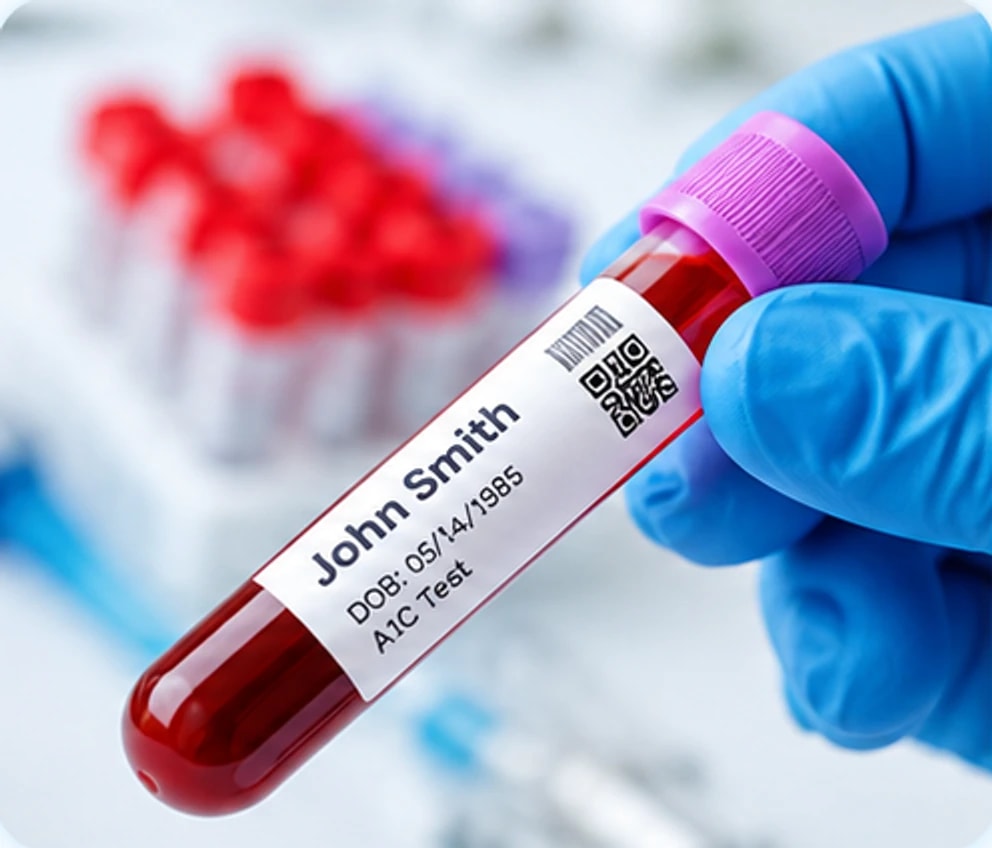
Blood tests are the only accurate method for diagnosing diabetes. After reviewing your medical history and performing a physical exam, our diabetes doctors can recommend the appropriate testing.
The most common tests for diabetes, that are available at all of our locations, are:
Glucose Tolerance Test
Glucose tolerance test evaluates your blood sugar levels before and after consuming a beverage with glucose. You must fast before the test and undergo blood testing to determine your fasting blood sugar level. After drinking your beverage, the team checks your blood sugar every hour for three hours. If your blood sugar measures 200 mg/dl or higher, you may have diabetes.
Fasting Blood Sugar Test
A fasting blood sugar test evaluates your blood sugar levels after fasting, or abstaining from food, overnight. A blood sugar reading of 126 mg/dl or higher can indicate diabetes.
The diabetes management specialist may also perform additional testing to investigate diabetes symptoms, such as tingling and weakness in the legs or feet, increased thirst, or frequent urination.

How Do I Manage Diabetes?
Managing diabetes is a partnership between you and the primary care providers at Hillside Primary Care.
After diagnosing your condition, your provider may recommend the following:
- Monitoring your blood sugar
- Taking insulin
- Changing your diet
- Practicing foot care
- Exercising more frequently
- Taking supplements

Your diabetes management plan may change if your symptoms subside or progress. Frequent check-ins with your diabetes doctor are essential to prevent complications.
Call Hillside Primary Care today or schedule an appointment online with your diabetes doctor in San Antonio and nearby areas; and our other locations, to manage your insulin or sugar levels.
Diabetes Evaluation And Management at our clinics
Available at 18 clinics. See all San Antonio-area clinics or meet our providers.
FAQs
Our professionals will check A1C levels, fasting glucose, kidney function, and blood pressure, and conduct a comprehensive health review to assess your diabetes status accurately.
Yes. Your evaluation results help determine the type of diabetes you have, and your provider builds a treatment plan around it. Type 1 is an autoimmune disease in which the pancreas does not produce insulin. Type 2 is usually the result of lifestyle choices, like poor diet and inactivity.
Your diabetes management plan may change if your symptoms subside or progress, and frequent check-ins with your diabetes doctor are essential to prevent complications. Your provider will recommend a schedule that fits you.
Your provider may recommend treatment such as taking insulin or supplements as part of your plan, and will follow how it is working for you.
Your provider may recommend changing your diet, exercising more frequently, and practicing foot care as part of managing your diabetes.
Ask our team about telemedicine follow-up options. Call us or schedule online and we will help you find the option that works best for you.


Schedule An Appointment With Your Diabetes Doctor
Take the first step toward better health with our experienced medical team.